International Educational Development and Cooperation Organization

Who We Are

The International Educational Development and Cooperation Organization (IEDCO) operates as a high-level intergovernmental framework dedicated to safeguarding, stabilizing, and advancing the global right to quality learning. Grounded in the principle that structured knowledge forms the essential baseline for human dignity and societal resilience, the organization addresses structural disparities in macro-educational access and infrastructure. IEDCO serves as a permanent conduit between global development directives and domestic learning systems, ensuring international commitments to human progress translate into enduring structural realities across sovereign nations. Operating clear of political volatility, this framework provides a neutral, robust environment where contemporary educational paradigms continuously adapt to shifting socio-economic conditions. This institutional architecture ensures agility while managing long-term knowledge transformations across diverse regional territories.
The International Educational Development and Cooperation Organization (IEDCO)

Our Mission

Our core mandate is to construct, protect, and refine resilient learning ecosystems capable of outlasting socio-economic crises, technological disruptions, and fluctuating political environments. We do not merely promote literacy; we engineer the structural frameworks that allow knowledge to adapt, endure, and serve humanity across generations. By aligning modern knowledge with long-term human survival, our focus remains on building systems where education is accessible, inclusive, and structurally integrated with the preservation of global sustainable development. We are committed to elevating learning environments worldwide, ensuring they remain intellectually shielded from political volatility while fostering continuous academic progression. Through long-term resource allocation and structural advocacy, we aim to dismantle the historical barriers that hinder comprehensive intellectual development.
IEDCO, Our Mission

Strategic Mandate

The organization operates on a foundational mandate to construct, protect, and refine resilient learning ecosystems capable of outlasting socio-economic crises, technological disruptions, and fluctuating political environments. Rather than merely promoting basic literacy, the initiative engineers the structural frameworks required for knowledge to adapt, endure, and serve humanity across generations. By aligning modern knowledge with long-term human survival, this institutional framework builds systems where education remains accessible, inclusive, and structurally integrated with the preservation of global sustainable development. Beyond superficial systemic scaling, the overarching objective centers on fortifying regional administrative autonomy, stabilizing knowledge infrastructures during periods of institutional distress, and anchoring global educational development within a permanent, verifiable international registry.
The International Steering Committee (ISC), IEDCO

Governance & Architecture

I. The International Steering Committee (ISC)

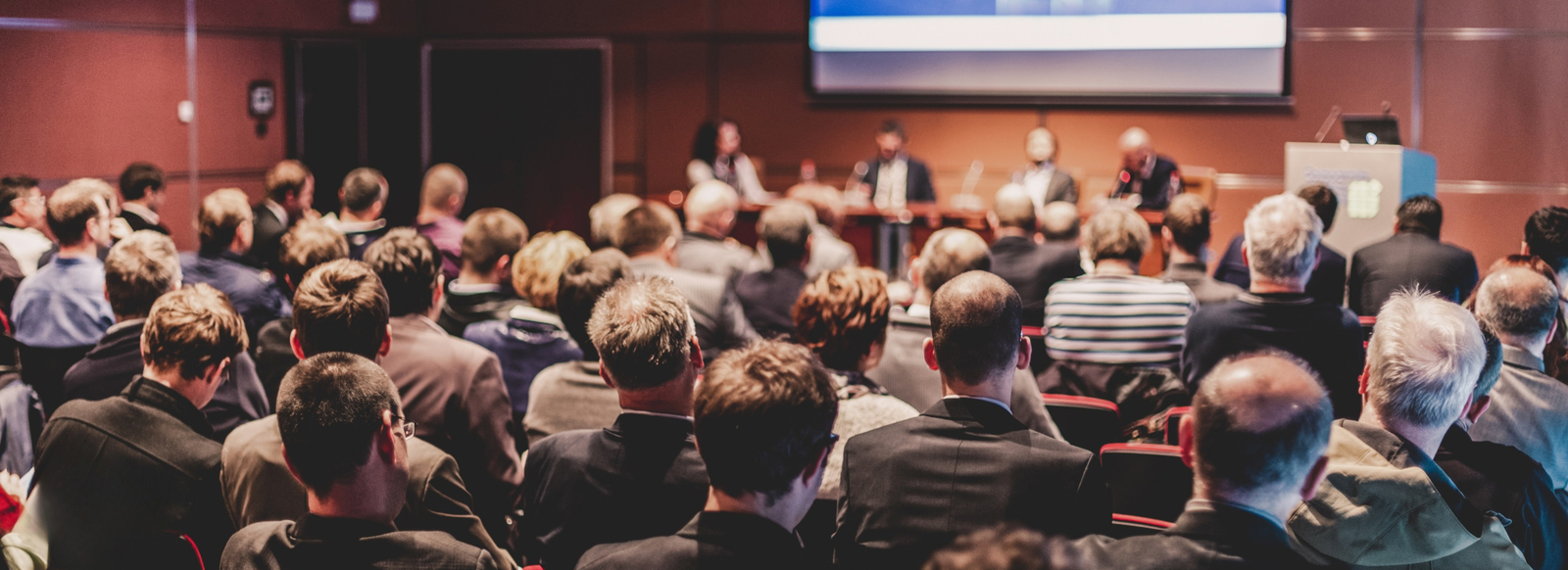
The International Steering Committee serves as the primary advisory and strategic guiding body of IEDCO. Responsible for ensuring that long-term operations remain closely aligned with global sustainable development paradigms, the Committee reviews annual progress reports, endorses research agendas, and evaluates institutional compliance with strategic objectives. To maintain professional pragmatism and objective credibility, the Committee is comprised of senior academic administrators, international educational experts, and policy advisors. The ISC ensures that the organization operates with optimal structural agility while maintaining its core commitment to non-profit, universal progress. Through periodic evaluations, the Committee keeps the framework aligned with new civilizational demands.

II. The Secretariat and General Administration

The Secretariat acts as the central administrative and executive hub of the organization, managed under the direction of the Executive Director. It is responsible for day-to-day global logistics, diplomatic and institutional communications, and the execution of programs endorsed by the Steering Committee. The Secretariat ensures fluid integration between the specialized bureaus and maintains procedural harmony across all international initiatives, serving as the permanent point of contact for external intergovernmental observers and institutional partners. Through its active coordination, the Secretariat secures the structural execution of all organizational policies across diverse regional boundaries without administrative friction.


III. The Operational Bureaus and Technical Commissions

The practical and specialized operations are channeled through four dedicated structural divisions, designed to avoid bureaucratic overlap and optimize regional impact:

  • Bureau for Structural Alignment (BSA): This division coordinates with educational administrations and institutional entities to adapt curricula and structural frameworks to modern standards, embedding sustainable development principles and critical competencies into learning models.
  • Bureau for Higher Education Integration (BHEI): This branch oversees the continuous cultivation of the organization’s expanding international academic network. It facilitates cross-border knowledge exchange, collaborative research, and the mutual understanding of institutional qualifications.
  • Commission for AI Policy and Intellectual Protection (CAIPIP): This technical commission monitors the integration of advanced technologies in learning environments. It focuses on drafting ethical guidelines, addressing structural digital divides, and safeguarding human-centric assessment models to preserve cognitive integrity.
  • Commission for Institutional Relations and Academic Mediation (CIRAM): This commission serves as a neutral, trusted platform for institutional diplomacy. It operates a specialized, voluntary Ombudsman and Dispute Resolution Mechanism designed to facilitate constructive dialogue and amicable settlement of operational or administrative disagreements arising between academic institutions or educational organizations. Acting strictly as an autonomous facilitator rather than a judicial authority, this commission assists partners in resolving conflicts through collaborative mediation, ensuring institutional continuity and protecting the stability of the shared learning environment.


IV. Guiding Ethical Principles

  • Sovereign Intellectual Autonomy: IEDCO maintains absolute autonomy from geopolitical pressures, volatile market interests, and singular state agendas. Our directives are governed exclusively by scientific consensus and empirical data.
  • Equity of Access and Universal Inclusion: The framework operate under the principle that quality learning is a fundamental pillar of human dignity, directing structural resources to dismantle structural barriers for marginalized populations.
  • Technological Ethical Stewardship: The organization govern the integration of artificial intelligence with a strict ethical framework, ensuring technology expands human capability without compromising cognitive integrity.
  • Intergenerational Continuity: The initiative design and protect educational frameworks that are structurally resilient, embedding planetary stability and civic responsibility into global learning models.
  • Multilateral Structural Synergy: The organization acts as a unifying force, translating fragmented international commitments into unified, lasting, and scalable structural realities.